Building a Home Yoga Practice: Tips for Beginners
Starting a home yoga practice is a process that unfolds gradually. For many beginners, the idea of practicing without an instructor may feel unfamiliar, yet it offers an opportunity to develop a personal rhythm and a deeper connection to one’s body and breath. The key lies in approaching the practice with patience and curiosity, rather than aiming for immediate results. By focusing on small, consistent steps, a home practice can become a sustainable part of daily life.
This article explores practical considerations for beginners who wish to practice yoga at home. It covers setting up a comfortable space, selecting suitable props, and structuring a balanced routine. The emphasis is on understanding the underlying principles of yoga practice—awareness, alignment, and gradual progression—rather than on achieving specific outcomes. Every individual’s journey is shaped by their unique circumstances, and the suggestions below are meant to serve as a flexible framework.
It is important to remember that a home practice does not replace professional guidance when needed, especially for those with health concerns or injuries. The information provided here is general and should be adapted to one’s own body and experience level. With consistent exploration, a home practice can become a valuable tool for well-being and self-awareness.
Creating a Dedicated Space
One of the first steps in building a home practice is identifying a space where one can practice with minimal distractions. This does not require a large room or expensive equipment. A corner of a bedroom or living room can work well, as long as there is enough room to move freely and lie down comfortably. The surface should be level and clean; a yoga mat provides traction and cushioning, but a carpeted floor or a folded blanket may also suffice in the beginning.
Elements such as lighting, temperature, and air flow can influence the quality of practice. Soft, natural light or a dim lamp may be calming, while fresh air from an open window can enhance breathing exercises. Some practitioners find it helpful to keep a few personal items in the space—a plant, a candle, or a small statue—to create a sense of ritual. The goal is not perfection, but a setting that invites consistency. Even a small, tidy area signals to the mind that it is time to transition into practice.
Over time, one may refine the space based on what feels supportive. For example, placing a mirror at a safe distance can help with alignment, though it is not necessary. Similarly, having water nearby and a towel for sweat can be practical. The routine of unrolling the mat in the same spot each day helps establish a mental cue, making it easier to return to practice regularly.
Choosing Props and Equipment
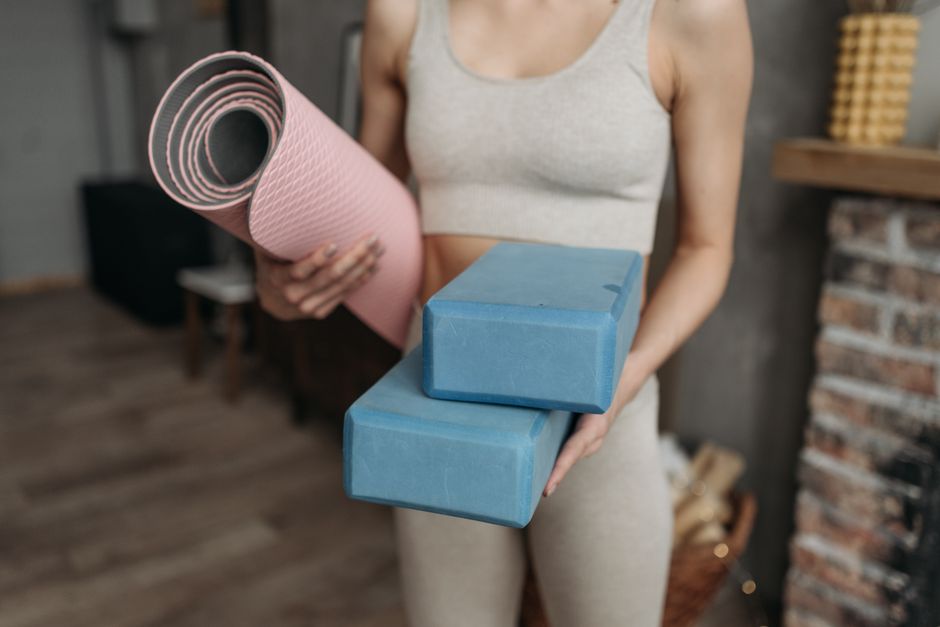
Props are tools that can support alignment, stability, and comfort, but they are not mandatory for a beginner home practice. A basic yoga mat is often recommended for its non-slip surface, but an exercise mat or a thick blanket can also work. Over time, additional props such as blocks, straps, and bolsters may be introduced as needed. Many beginners find that two thick books or firm cushions can serve as makeshift blocks, and a belt or a long scarf can substitute for a strap.
When selecting props, it is less about having the most advanced gear and more about finding items that feel safe and supportive. For instance, a block placed under the hands in a forward fold can reduce strain on the hamstrings, allowing one to maintain a straight spine. A strap used in seated forward bends can help extend the reach without forcing the body. Some practitioners prefer to start with simple household items before investing in specialized equipment, which is a practical approach for those exploring whether a home practice suits them.
Online platforms, including Yoga Pulse, offer guidance on how to use props effectively, but one can also experiment independently. The principle is to use props to create a sense of ease, not to depend on them rigidly. As flexibility and strength develop, the need for certain props may change. Regularly reassessing what feels supportive is part of the learning process.
Structuring a Balanced Routine
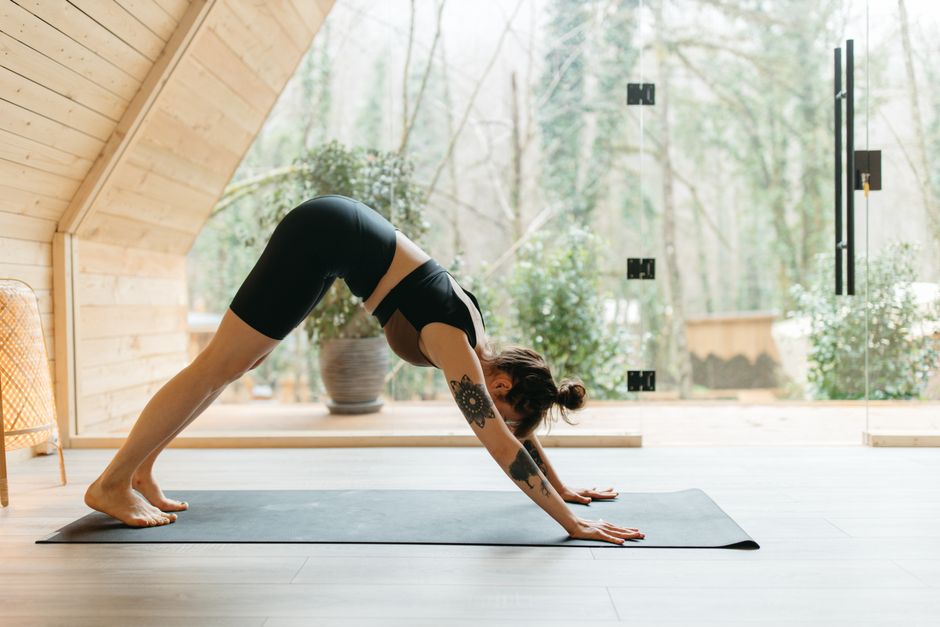
A balanced yoga routine typically includes a warm-up, a main sequence of poses, and a cool-down or relaxation phase. For beginners, a practice of 15 to 30 minutes can be sufficient, allowing the body to adapt without becoming overwhelmed. The warm-up might involve gentle neck rolls, shoulder circles, and cat-cow stretches to mobilize the spine. Following that, a few standing poses such as mountain pose (Tadasana), forward fold (Uttanasana), and warrior I or II (Virabhadrasana) can build strength and flexibility.
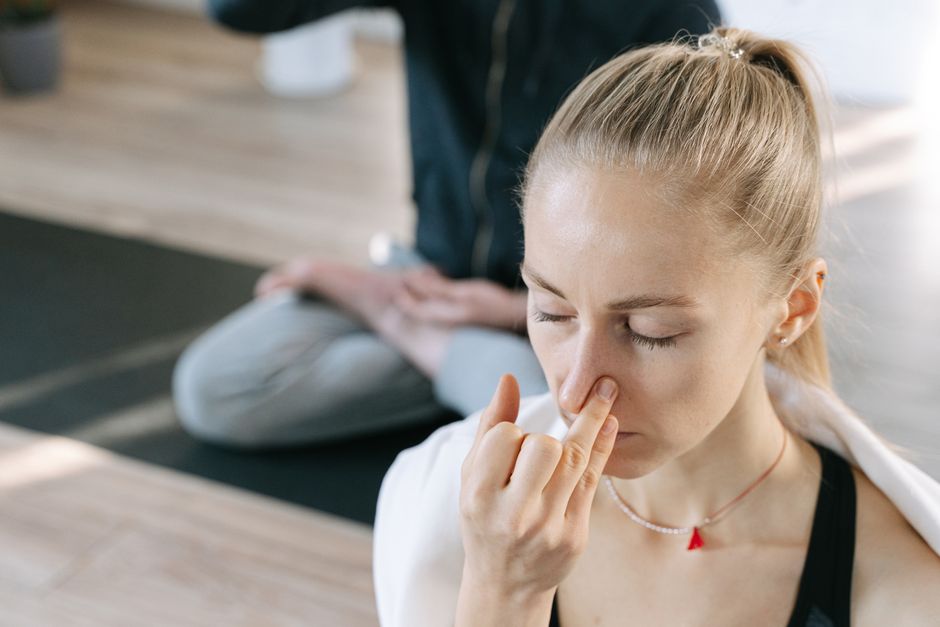
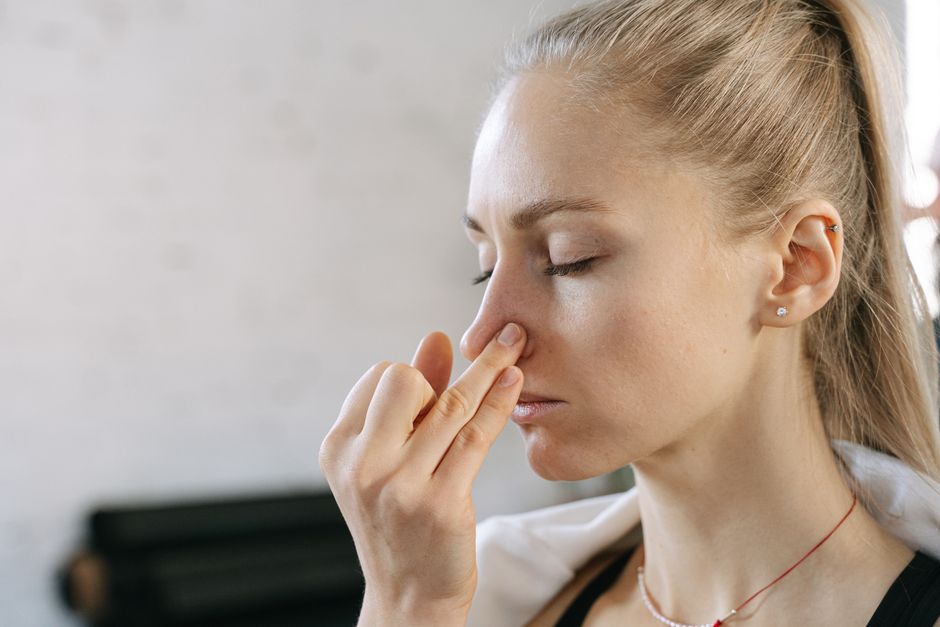
After the active portion, poses like child’s pose (Balasana) and seated forward bend (Paschimottanasana) help calm the nervous system. A final relaxation in corpse pose (Savasana) for a few minutes allows the body to integrate the movements. Some practitioners also include breathing exercises (pranayama) or a short meditation at the start or end of practice. The sequence does not have to be fixed; trying different combinations and noting how the body responds can be part of the exploration.
It is generally recommended to practice on an empty stomach or after a light meal, and to stay hydrated. The intensity of the practice should vary from day to day. Some days may feel more energetic, while others may call for a slower pace. Listening to one’s body is a skill that develops with time, and it is acceptable to modify or skip poses as needed. Beginners may find it helpful to follow recorded classes occasionally to learn new sequences, but the goal is eventually to move intuitively.
Staying Motivated and Consistent
Maintaining a home practice without an instructor requires self-directed motivation. One approach is to set a regular time for practice, such as in the morning or after work, to create a habit. Some practitioners use a journal to jot down how they feel before and after practice, which can provide insights over time. Others find that setting a simple intention—like focusing on breath or cultivating gratitude—helps sustain engagement.
Varying the routine can prevent boredom. For example, one day might emphasize standing poses, another day restorative poses, and another day breathwork alone. Online resources, including videos and articles from platforms like Yoga Pulse, offer a wide range of sequences for different levels and moods. However, it is important to recognize that motivation naturally fluctuates. On days when energy is low, a shorter practice with gentle stretches is still beneficial. The consistency of simply showing up on the mat matters more than the duration or intensity of the session.
Joining a community—even a virtual one—can also provide encouragement. Some practitioners participate in online challenges or forums where they share experiences and questions. The sense of shared exploration can reinforce commitment without requiring direct instruction. Ultimately, each person’s practice evolves at its own pace, and comparing one’s progress to others is not necessary.
Safety and Injury Prevention
Practicing safely at home involves understanding one’s limitations and approaching poses with care. Beginners should avoid forcing the body into deep stretches or holding poses that cause sharp pain. A general guideline is to maintain steady, smooth breathing throughout the practice; if the breath becomes strained, it may be a sign to ease back. Learning alignment cues from reliable sources—books, reputable online instructors, or articles—can help reduce the risk of strain.
Common considerations include keeping the knees soft in standing poses, engaging the abdominal muscles to support the lower back, and avoiding locking the joints. For poses like shoulder stand or headstand, beginners are often advised to practice with caution or avoid inversions until they have built sufficient strength and awareness. Using props for support, such as placing a block under the sacrum in a reclining pose, can make poses more accessible and less likely to cause discomfort.
If a particular movement consistently leads to discomfort, it may be worth exploring alternative poses or taking a few days of rest. Home practice does not require pushing through pain; rather, it is a process of learning the nuances of one’s body. Over time, this self-awareness helps in distinguishing between sensations that are part of growth and those that signal potential injury. Listening to the body and adjusting accordingly is a fundamental aspect of a sustainable practice.