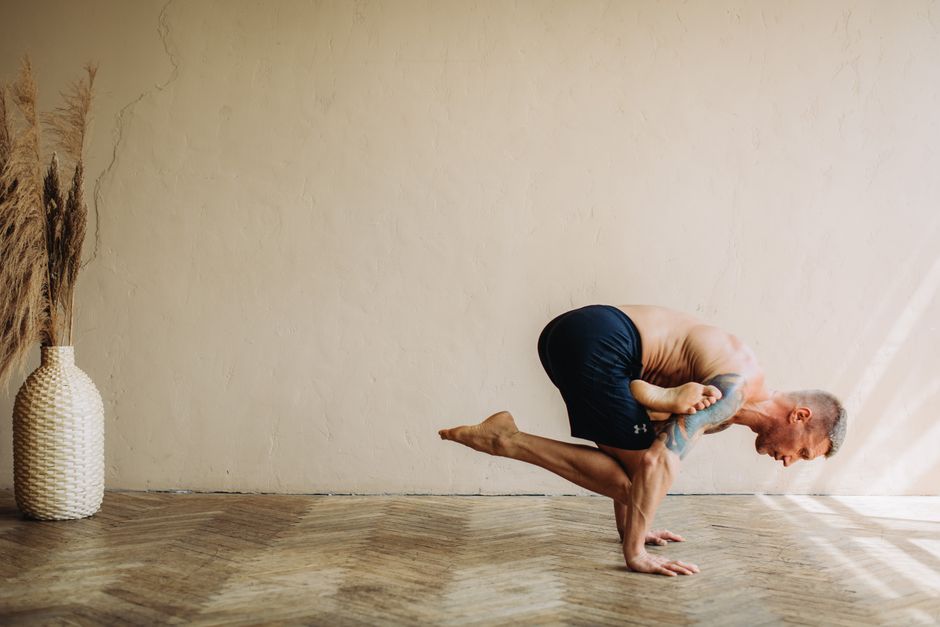
Crow pose, known in Sanskrit as bakasana, is a foundational arm balance that many yoga practitioners encounter as they build their practice. Rather than a goal to achieve quickly, this pose can be approached as a process that involves developing specific physical capacities and a calm, focused mind. Preparing for bakasana involves understanding the mechanics of the pose and gradually conditioning the body through targeted drills. Core strength, wrist mobility, and learning how to fall safely are three key areas that can support a practitioner’s journey.
When approached methodically, the process of working toward crow pose becomes an opportunity to explore coordination, trust, and patience. It is not about forcing the body into a position but about creating the conditions where balance can occur naturally. Each drill mentioned in this article is a step in that process, helping to build awareness and control without rushing toward a final outcome. Yoga Pulse encourages a thoughtful and sustainable approach to arm balances.
Core Strengthening for Crow Pose
A strong and engaged core is essential for lifting the hips high and maintaining stability in bakasana. The core in this context includes the deep abdominal muscles, the obliques, and the muscles around the lower back. Rather than relying on arm strength alone, the lift in crow pose comes from drawing the navel toward the spine and engaging the hip flexors. Several drills can help cultivate this engagement in a controlled manner.
Plank pose with active core engagement serves as a foundational exercise. Holding plank for several breaths while focusing on keeping the belly lifted and the lower back neutral builds endurance. From plank, transitioning into a knee-to-nose position on an exhale mimics the compression needed in crow pose. Another useful drill is boat pose (navasana), which strengthens the hip flexors and abdominal muscles. Practicing boat pose with the legs lifted and arms extended parallel to the floor helps build the awareness of drawing the thighs toward the chest.
Beyond static holds, dynamic movements such as leg lowers on the back can be effective. Lying on the floor with the legs lifted to a tabletop position, slowly lowering one foot toward the mat while keeping the lower back pressed down engages the deep core. Alternating legs builds control and stability. These exercises can be integrated into a warm-up sequence before attempting crow pose, ensuring the core is prepared for the demands of the arm balance.
Wrist Mobility and Preparation
The wrists bear a significant portion of body weight in crow pose, so preparing them through mobility work is a practical step. Stiff or weak wrists can make the pose uncomfortable and increase the risk of strain. Rather than immediately placing full weight on the hands, a gradual approach to wrist conditioning can be more sustainable.
Warm-up exercises such as circling the wrists in both directions, flexing and extending the fingers, and stretching the palms against a wall can increase blood flow and range of motion. Another useful drill is to come onto all fours and gently rock forward, bringing the shoulders directly over the wrists while keeping the palms flat. This movement helps the wrists adapt to weight-bearing at different angles. Yoga Pulse suggests including these exercises at the beginning of each practice session that involves arm balances.
In addition to mobility, proper hand placement is important. Spreading the fingers wide and pressing firmly through the fingertips and the base of each finger creates a stable foundation. For many practitioners, placing a small wedge or a folded towel under the heels of the hands can reduce wrist extension and make the position more comfortable until flexibility improves. Over time, consistent work on wrist health supports not only crow pose but also other weight-bearing poses.
Safe Falling and Building Confidence
One of the most common concerns when learning an arm balance is the fear of falling. Addressing this fear directly through safe falling techniques can build confidence and allow the practitioner to explore the pose with less tension. When the body is relaxed, balance becomes easier to find. Practicing how to fall safely removes the mental block that often prevents progress.
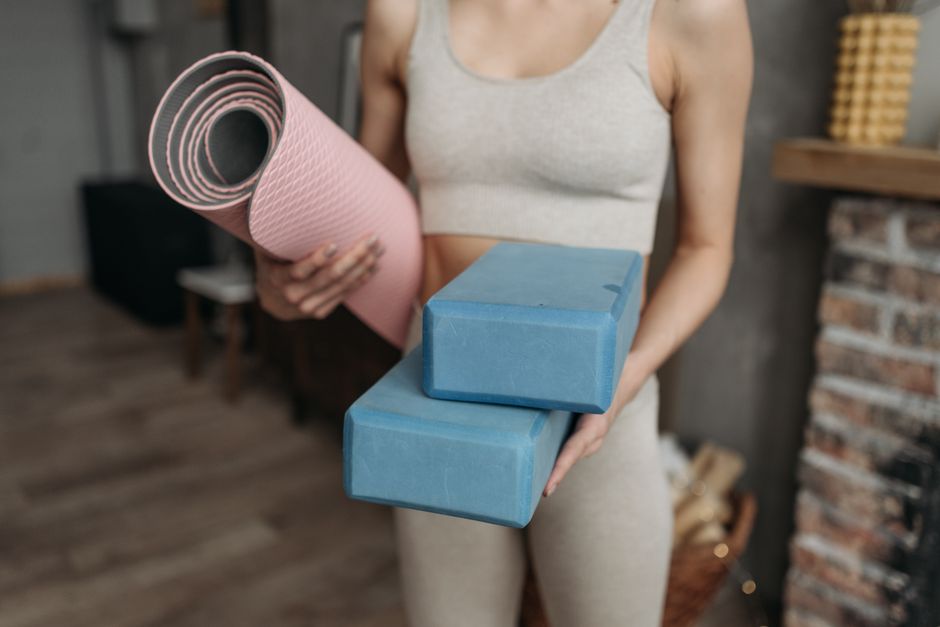
A simple technique is to place a pillow or folded blanket in front of the mat. As the practitioner lifts the feet in crow pose, they can intentionally release the feet forward, landing softly on the prop. Repeating this a few times teaches the body that falling does not lead to injury. Another approach is to practice crow pose with the feet on a low block initially, then gradually lifting one foot at a time. This progression allows the practitioner to control the amount of weight shifting.
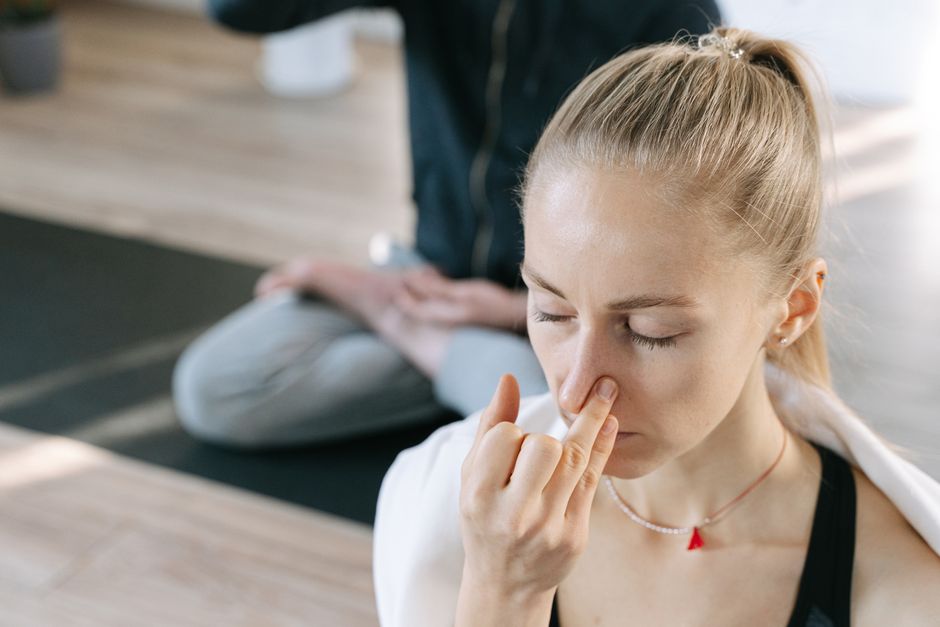
Breathing patterns also play a role in fear reduction. Inhaling can create a sense of spaciousness, while slow exhales help calm the nervous system. Before attempting to lift the feet, taking several deep breaths in a preparatory crouch can settle the mind. The goal is not to eliminate the possibility of falling but to develop a response that is smooth and composed. Over time, this mental training becomes as valuable as the physical conditioning itself.
Progressive Drills and Transitions
Building up to the full expression of crow pose can be done through a series of progressive drills that gradually increase the challenge. Starting from a squat with the hands on the floor, the practitioner can bring the knees to the back of the arms. Pressing the knees firmly into the arms and lifting the hips creates a compact shape. From there, shifting the weight forward until the feet feel light on the ground is the next step.
A useful intermediate drill is to lift one foot at a time while keeping the other foot on the floor. This helps the practitioner feel the balance point without committing fully to both feet leaving the ground. Another drill involves using a block placed under the forehead to maintain a rounded back and prevent the head from dropping. Holding these intermediate positions for several breaths builds the necessary muscle memory.
Transitions, such as moving from crow pose to a standing forward fold or into chaturanga, can also be practiced separately. These transitions teach the practitioner how to exit the pose with control. By exploring the full range of movement around bakasana, the body learns to adapt and find stability in different positions. Each drill should be repeated consistently, paying attention to alignment and breath, rather than striving for a specific result.
Breathing and Mental Focus
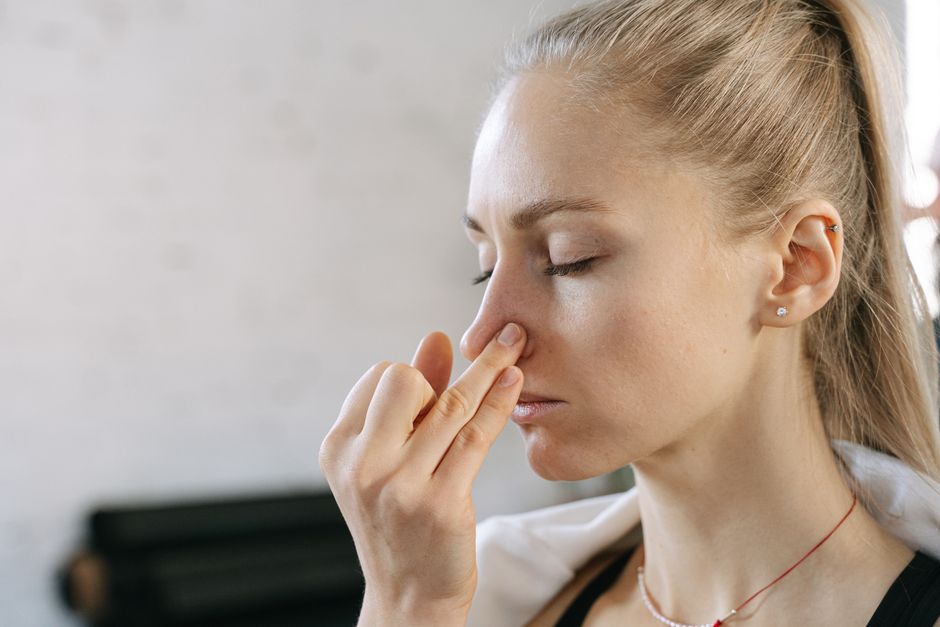
Breath awareness is a central element in any balance pose, and crow pose is no exception. Steady, even breathing helps maintain a calm state, which directly affects physical steadiness. When the breath becomes shallow or irregular, the body tends to tense up, making balance more difficult. Practicing ujjayi breathing—a gentle constriction at the back of the throat that creates a soft ocean sound—can provide a rhythmic anchor.
Mental focus in crow pose often involves directing the gaze (drishti) slightly forward and downward. Looking ahead rather than down at the floor helps prevent the collapse of the upper back. Keeping the attention on a single point reduces distraction and allows the practitioner to sense subtle shifts in weight. Some practitioners find it helpful to mentally repeat a phrase such as “steady and light” during the hold, reinforcing the intention without forcing it.
Combining breath and focus with the physical drills described earlier creates a comprehensive preparation. Over time, the practice of crow pose becomes less about achieving a perfect shape and more about the ongoing process of exploration. Each session offers new information about the body’s response, and that information can guide future practice. Yoga Pulse views this kind of mindful, process-oriented approach as the foundation for sustainable growth in any yoga practice.