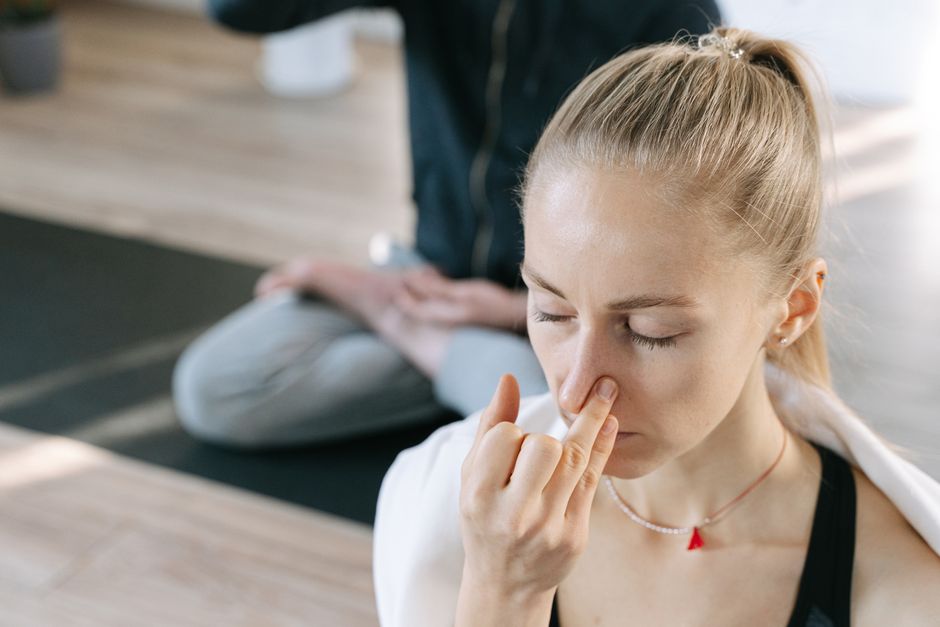
Ujjayi Breath: The Ocean Breath Technique Explained
Ujjayi breath, often called ocean breath, is a fundamental pranayama technique practiced in many yoga traditions. The word ujjayi comes from Sanskrit and means ‘to be victorious’ or ‘to conquer,’ though the name also reflects the subtle, steady quality that this breath cultivates. Unlike ordinary breathing, ujjayi involves a gentle constriction at the back of the throat, producing a soft hissing or oceanic sound that serves as an auditory anchor during practice. This technique is commonly integrated into vinyasa and ashtanga yoga, where it helps synchronize movement with breath and maintain a continuous flow of awareness.
For those new to ujjayi, the process may initially feel unfamiliar, but with consistent practice it becomes a natural part of the yoga experience. The audible quality of the breath creates a rhythm that can support meditation in motion, while the controlled nature of the inhalation and exhalation encourages a deeper focus on the present moment. It is important to approach ujjayi as a tool for self-awareness rather than a rigid rule, allowing the breath to adapt to different poses and energy levels.
This article provides a step-by-step explanation of how to practice ujjayi breath, the principles behind its use in yoga, and ways to incorporate it into flow sequences. The information is offered as a reference for individuals exploring pranayama within their personal practice, and should not replace guidance from a qualified instructor when needed.
What Is Ujjayi Breath?
Ujjayi breath is a type of diaphragmatic breathing that involves a partial closure of the glottis, the space between the vocal cords. When breathing in and out through the nose, this constriction creates a friction-like sound similar to the sound of ocean waves or a gentle wind. The sound is often described as calming and rhythmic, providing a focal point for the mind during asana practice.
In the context of pranayama, ujjayi is considered a balancing technique that neither heats nor cools the body dramatically, though it can generate a mild internal warmth over time. The breath is typically slow and deep, with an equal duration for inhalation and exhalation. Some practitioners also use a slight pause at the top and bottom of the breath, but the continuous sound is the key characteristic. The technique is accessible to most individuals, though those with respiratory conditions or certain throat sensitivities should approach it with care and consult a healthcare professional if necessary.
How to Practice Ujjayi Breath
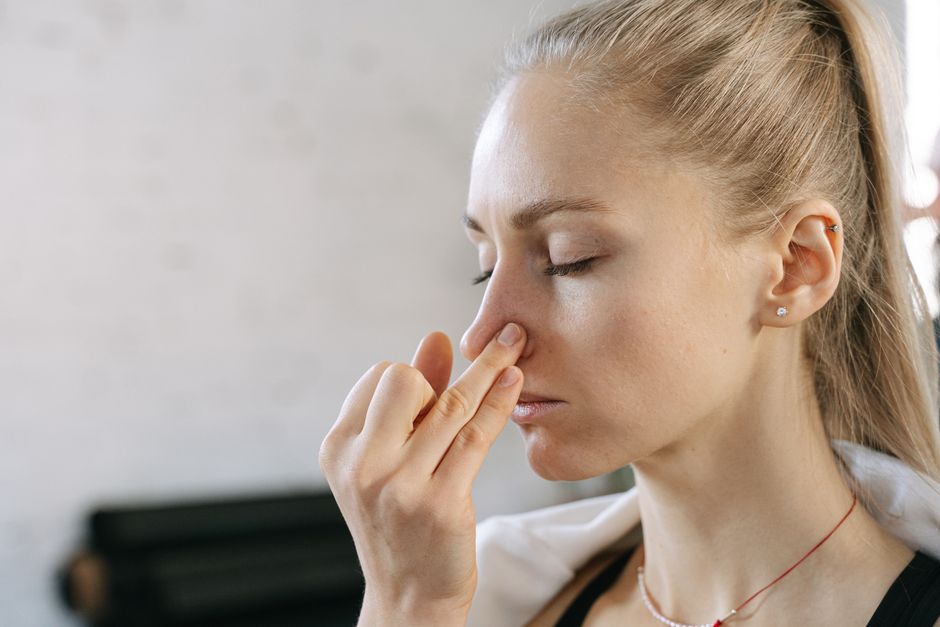
Learning ujjayi breath can begin in a comfortable seated position, either on a cushion or a chair, with the spine relatively straight. Closing the eyes and bringing attention to the natural flow of air helps establish a baseline. To produce the throat constriction, one can try forming a whispered ‘ah’ sound while keeping the mouth closed, then gradually reducing the volume until only a soft hiss remains. This sensation becomes the foundation of the ujjayi breath.
Once the constriction is found, the following steps can be practiced:
- Inhale slowly through the nose, allowing the air to fill the lungs while maintaining the slight throat constriction. The sound should be continuous and smooth.
- Exhale through the nose with the same constriction, keeping the length of the exhale equal to or slightly longer than the inhale. The sound may be slightly louder on the exhale.
- Repeat for several cycles, focusing on the sound and the feeling of the breath moving in and out of the throat. The chest and abdomen should rise and fall naturally.
For beginners, it can be helpful to practice ujjayi without movement first, such as during seated meditation or before starting a yoga sequence. Over time, the breath becomes easier to maintain and can be integrated into more dynamic poses. It is normal for the sound to fluctuate in volume or clarity; the aim is not perfection but consistency and awareness.
Understanding the Role of Ujjayi in Yoga Practice
In many yoga styles, ujjayi breath serves as a bridge between the physical and mental aspects of practice. When performing asanas, the breath is used to initiate and sustain movement, with each inhale often guiding expansion or lifting actions and each exhale supporting folding or grounding movements. This synchronization creates a flowing rhythm that can reduce mental distraction and promote a state of focused calm.
The technique also encourages a mindful approach to effort. Because the breath requires a certain level of attention, it naturally discourages forcing or straining. When the breath becomes ragged or uneven, it may signal that the body is moving beyond its current capacity, prompting the practitioner to adjust the intensity or take a rest. In this way, ujjayi functions as a feedback mechanism that supports safe and sustainable practice.
Additionally, the steady sound of the breath can become a form of meditation. By anchoring awareness on the auditory and physical sensations of breathing, the mind has less opportunity to wander. This can be especially helpful during longer holds or challenging sequences, where the breath provides a steady reference point.
Potential Effects on Focus and Energy
Many practitioners report that ujjayi breath helps cultivate a deeper sense of focus during yoga practice. Because the breath is deliberately controlled and audible, it demands a certain level of concentration. This mental engagement can reduce random thoughts and make it easier to stay present with each moment of the movement or stillness. The effect is not guaranteed and varies from person to person, but regular practice may support the ability to sustain attention in other areas of life as well.
In terms of energy, ujjayi breath is often described as grounding and centering. The slow, rhythmic pattern can calm the nervous system, which may be helpful before or after more vigorous activity. At the same time, the slight internal resistance created by the throat constriction can generate a mild warming sensation, which some interpret as an energizing quality. The overall effect depends on factors such as the pace of the breath, the duration of practice, and the individual’s current state. Rather than claiming specific outcomes, it is more accurate to say that ujjayi offers a tool for regulating one’s own internal experience.
Incorporating Ujjayi into Flow Sequences
Integrating ujjayi breath into a flow sequence begins with establishing the breath before moving. At the start of a practice, taking several rounds of ujjayi in a comfortable position helps set the rhythm. As the sequence progresses, each movement can be matched with an inhalation or exhalation, with the breath acting as the metronome. Common patterns include inhaling during upward transitions (such as lifting the arms or rising into a backbend) and exhaling during forward folds or twisting actions.
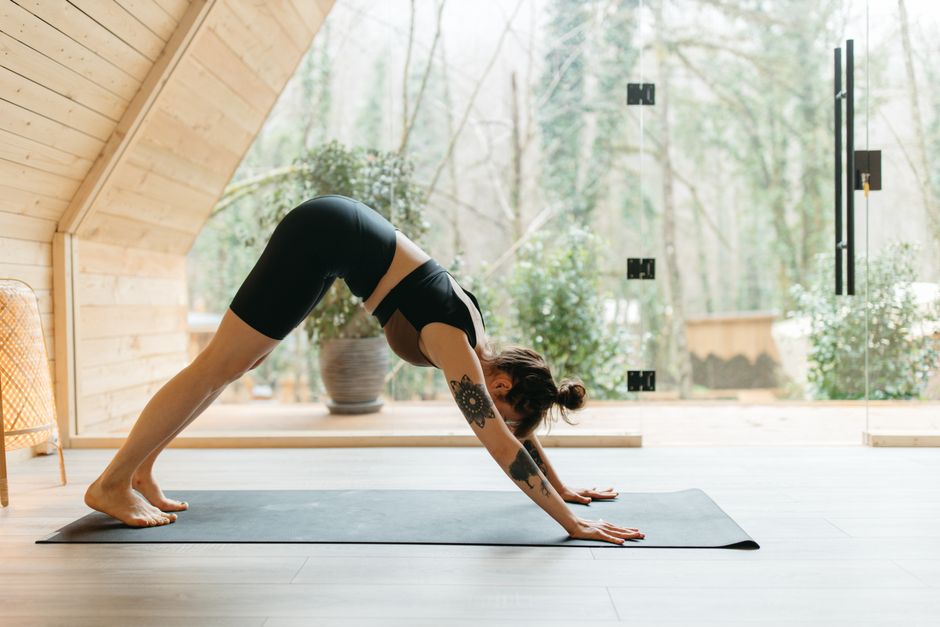
In a typical vinyasa flow, the breath often leads the movement rather than the other way around. For example, when moving from downward-facing dog to plank pose, the breath initiates the shift, and the body follows. Maintaining the ujjayi sound throughout the transition helps keep the breath smooth and even. If the breath becomes shallow or forced, it may be a sign to slow down or modify the sequence. The technique can also be used during holding poses, such as warrior II or triangle, where the steady breath supports endurance and balance.
For practitioners who are new to using ujjayi in flow, it can be helpful to start with a simple sequence of only a few poses and focus primarily on the breath. Over time, the coordination becomes more intuitive, and the breath can be sustained even during more complex movements. It is not necessary to force the ujjayi sound at all times; if the breath becomes strained, returning to normal nasal breathing for a few cycles is perfectly acceptable.
Common Questions and Considerations
One of the most frequent concerns about ujjayi breath is whether the sound should be loud or soft. There is no fixed volume; it depends on the level of throat constriction and the individual’s comfort. A gentle sound that is audible only to the practitioner is often sufficient. Louder breathing can be useful for focus, but it should not create tension in the throat or jaw.
Another question involves the use of ujjayi during rest or recovery poses. In savasana or gentle restorative postures, a very soft, almost silent ujjayi can help maintain a meditative quality without interfering with relaxation. Alternatively, some choose to drop the technique entirely during deep rest. The choice depends on personal preference and the intention of the practice.
Individuals with conditions such as high blood pressure, asthma, or recent throat surgery should approach ujjayi with caution and consult a healthcare provider before incorporating it into their routine. Similarly, pregnant practitioners may find that ujjayi is comfortable, but should listen to their body and adjust as needed. In all cases, the breath should feel natural and not cause any pain or discomfort. If any adverse sensations arise, it is best to stop and return to normal breathing.
Yoga Pulse encourages practitioners to explore ujjayi breath as part of a broader exploration of pranayama and mindful movement. The information presented here is intended as an educational resource, and individual experiences may vary. Practicing under the guidance of an experienced teacher can provide personalized insights and support safe progress.